




Port Tampa Bay Drayage Rates Breakdown: Fees, Surcharges, Best Carriers
When a single misstep with drayage timing leads to a $1,500 demurrage bill, your container’s cost skyrockets. Many import planners struggle with inconsistent rates, slow pickups, and unclear handoffs. If you’re importing through Port Tampa Bay, understanding local drayage rates is the key to staying in control.
Who’s Responsible for Drayage? Roles & Documents
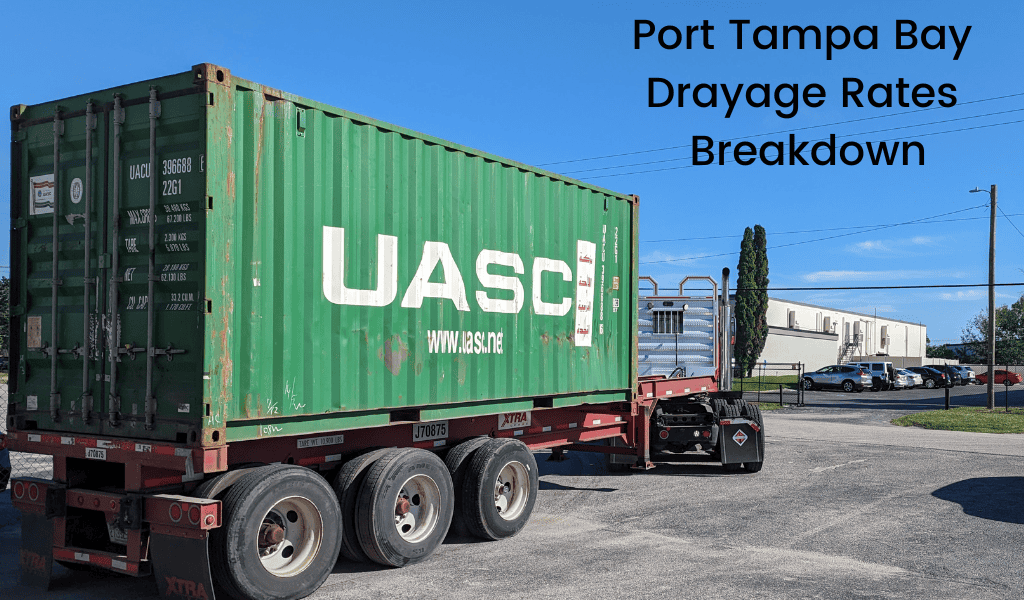
Drayage—the short-haul trucking that moves containers from the terminal to a warehouse or rail yard—is a critical leg in the port logistics chain. But who exactly is responsible for booking it?
Importers, freight forwarders, or customs brokers usually handle drayage arrangements, depending on the Incoterms and the party controlling the freight at port release.
Key documents include:
Arrival Notice – Issued by the carrier or freight forwarder; it signals when and where your container is ready.
Delivery Order (DO) – Authorizes the drayage carrier to pick up the container.
Customs Release – Must be complete before pickup.
Chassis release and appointment scheduling – Often overlooked, these can delay pickups if not pre-arranged.
What Actually Happens? Steps, Costs, and Timelines
Here’s a step-by-step breakdown of what your Port Tampa Bay drayage move involves:
Container is discharged from the vessel and made available at the terminal (typically Port Logistics Refrigerated Services or Ports America).
Customs clearance is finalized and holds are removed.
Appointment is made with the terminal via their appointment system.
Drayage carrier picks up the container—often with their own chassis or one rented at extra cost.
Chassis charges, fuel surcharges, and congestion fees may be added depending on the carrier’s structure.
Container is delivered to the final destination, unloaded (live-unload or drop), and returned.
Note these rates are for example only and are not current market rates.
Typical Port Tampa Bay drayage rates range from base fees of $125 to $400+ per container for local moves within 10–25 miles, with added costs for:
Chassis usage: $30–$50/day if not included
Weight of Freight: Heavy-weight freight can require a more powerful truck, burn more fuel and simply costs more $/container.
Fuel surcharge: 10–15%
Demurrage/detention: $150–$300/day if delayed
- Hourly detention: $50-$250/hr for drivers “detained” are warehouses for unloading “longer than 2-hours”
When and Where Can It Derail? Common Pitfalls at Port Tampa Bay
Even experienced import teams can hit unexpected snags. Here’s where drayage coordination often breaks down at Port Tampa Bay:
Missed terminal appointments due to late customs clearance or scheduling system glitches
Chassis shortages, especially in peak seasons
No clear responsible party, leading to delays in securing a carrier
Poor communication between customs brokers, dispatchers, and warehouse receivers
the warehouse must know what they are receiving, or expect detention fees.
Weekend or holiday arrivals when carriers or warehouses aren’t operating
These missteps can easily trigger demurrage, storage, or chassis overage fees—costing hundreds per container.
How to Fix or Avoid Problems: Tips, Checklists, ROI Math
Avoiding extra fees and chaos comes down to three areas:
1. Plan Early
Schedule your drayage the moment the Arrival Notice is received
Confirm chassis availability before booking
Ensure customs paperwork is filed ahead of time
2. Use a Tampa-based 3PL like WarehousingEtc
We monitor your container status live
We secure reliable carriers in advance
We offer drayage + warehousing bundles to avoid delays
3. Know the ROI
Spending an extra $40 on a more reliable carrier is worth avoiding a $300 per-day detention bill. A $300 bundled drayage/warehousing move might save $1,200 in wasted fees.
Real Gulf Coast Example
One beverage distributor regularly bringing in containers from Europe saved over $9,000/quarter by switching to a local 3PL (WarehousingEtc) that pre-books carriers, pre-clears containers, and consolidates local deliveries—all with fewer delays.
Port‑Specific Resources
Key Takeaways
Port Tampa Bay drayage rates typically range from $125–$400+, with common surcharges added.
All-in-costs can range from $350-$750+ for drayage at Port Tampa Bay.
Mistimed customs clearance and missed appointments drive up costs fast
Chassis access and holiday/weekend delivery gaps are major risks
Use local, bundled 3PL services for fewer delays and better control
3PL and 4PL partners coordinate port drayage and warehousing with real-time status updates.


