


Drayage from Port Tampa Bay Explained: Delivery Checklist and Costs
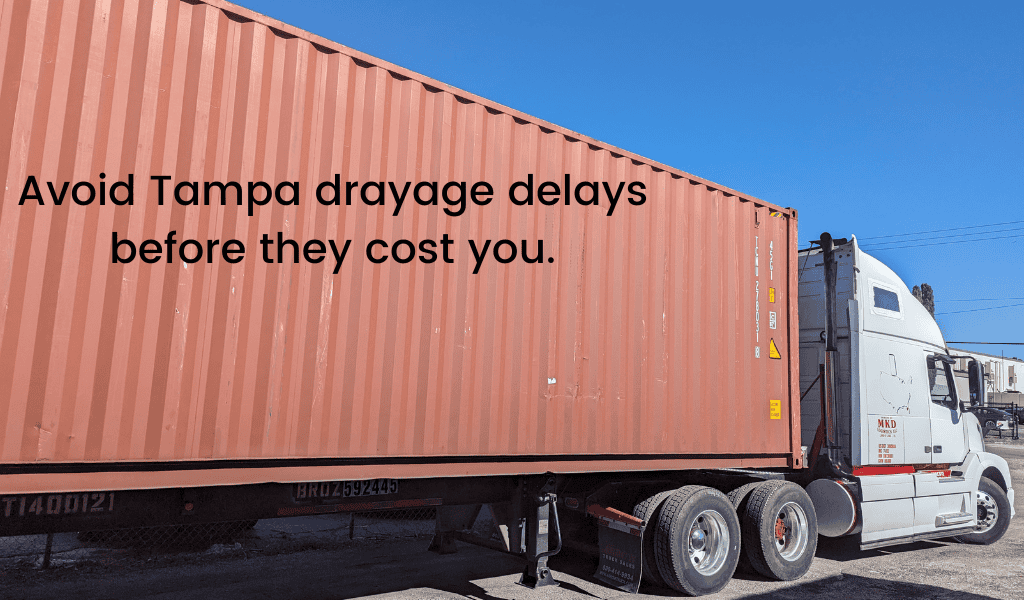
Drayage delays at Port Tampa Bay can spiral fast—especially when brokers, dispatchers, and warehouses aren’t in sync. One missed appointment can snowball into per diem, chassis fees, and freight sitting idle. If you’ve ever eaten $800 in demurrage, you know the pain.
Who’s Responsible? Understanding the Key Roles and Documents
Drayage from Port Tampa Bay involves more than just a truck. It’s a dance between several players—each with their role, paperwork, and timing.
1. Importer or Consignee – Ultimately responsible for container movement.
2. Customs Broker – Handles ISF filing, CBP clearance, and often manages dispatch details.
3. Drayage Carrier – Picks up the container and delivers it to the designated warehouse or yard.
4. 3PL or Warehouse Partner – Coordinates delivery windows, unloads freight, and often manages empty returns.
Documents Required:
Arrival Notice from steamship line
Delivery Order (DO) from broker or forwarder
Customs release and PGA clearances
Terminal appointment confirmation (if required)
Equipment Interchange Receipt (EIR)
One missing form—or miscommunication—can mean a wasted trip or container hold.
What Actually Happens During Drayage from Port Tampa Bay?
Here’s the typical flow:
Vessel Arrival – Monitor arrivals using the Port Tampa Bay vessel schedule.
Customs Clearance – Customs and any partner government agencies (PGAs) must release the container.
ISF Match – CBP must match the ISF (Importer Security Filing) before outgate.
Delivery Order Issued – The broker or forwarder provides this to the drayage carrier.
Appointment Scheduled (if needed) – Hooker’s Point and some terminals require this in advance.
Drayage Carrier Picks Up Container – Driver must have EIR, clearance, and chassis.
Delivery to Warehouse or Final Destination
Chassis Return and Empty Container Return (if applicable)
Common Drayage Costs: (note these are examples and do not represent current market costs)
Base drayage from Port Tampa Bay: $150–$400+
Chassis fee: $25–$65 per day
Fuel surcharge: 8%–12%
Per diem (late return): $150+ per day
Congestion or peak season fees (as applicable)
When and Where It Can Derail at Port Tampa Bay
Even seasoned import teams hit snags. Common breakdowns include:
Missed Terminal Appointments – Some Tampa terminals require scheduled pickup windows.
Chassis Shortages – Not enough chassis means no pickup.
Customs Holds – Incomplete or incorrect filings delay release.
Unaligned Schedules – If your 3PL can’t receive the container when it’s available, you’re stuck paying storage.
Last-Minute Drayage Orders – Same-day dispatch is unreliable. Plan ahead.
How to Fix or Avoid Delays: Tampa Drayage Checklist & ROI Tips
Avoid headaches and late fees by using a clear checklist and calculating total landed cost, not just trucking quotes.
Port Tampa Drayage Checklist:
✓ ISF filed and matched
✓ Customs cleared and PGA releases in place
✓ Delivery Order shared with carrier
✓ Container available for pickup
✓ Terminal appointment confirmed
✓ Receiving warehouse ready
✓ Chassis secured or pooled
✓ Driver dispatched with full documentation
Smart ROI Tip:
Working with a Tampa-based 3PL like WarehousingEtc streamlines this entire chain. We manage terminal scheduling, keep eyes on vessel ETAs, and confirm all clearance steps. It’s not just about cost per load—it’s about preventing surprise fees and keeping your supply chain flowing.
Suggested Visual:
A horizontal timeline graphic showing container flow: vessel arrival, customs clearance, DO issued, drayage pickup, warehouse delivery.
Real Gulf Coast Example
A consumer goods distributor in Sarasota was consistently paying $2,000+ per month in demurrage due to poor coordination. After switching to WarehousingEtc, they implemented a proactive ETA alert system, improved scheduling with Hooker’s Point terminal, and reduced extra fees by over 50% in two months.
Key Takeaways
Drayage from Port Tampa Bay requires coordination between brokers, carriers, and 3PLs.
Missed paperwork or appointments can trigger costly fees.
Always use a readiness checklist and track vessel ETAs.
Costs include base rate, fuel, chassis, and potential per diem or demurrage.
Partnering with a reliable local 3PL prevents delays and cuts total landed cost.


