


Incoterms for Tampa Importers: Choosing EXW, FOB, and Beyond
Late-night calls about unexpected demurrage fees. Confusion over who’s paying the dray. Missing paperwork while your container sits on the dock. For Tampa importers, the wrong Incoterm isn’t just a headache—it’s a profit leak. Let’s fix that.
Who’s Responsible? Understanding Incoterms for Tampa Importers
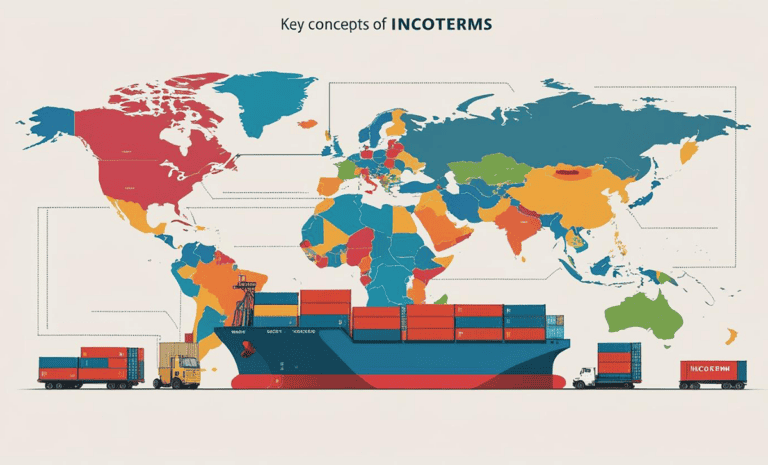
Incoterms (International Commercial Terms) define who’s responsible for the goods and when. Whether you’re working EXW (Ex Works), FOB (Free on Board), or DDP (Delivered Duty Paid), your responsibilities as the importer shift.
Here’s how it breaks down:
Incoterm Comparison Table
EXW (Ex Works)
Seller pays for: packaging only
Buyer pays for: all shipping, insurance, and duties
Risk transfers: at seller’s warehouse
FOB (Free on Board)
Seller pays for: inland transport and origin port charges
Buyer pays for: ocean freight, destination port, and drayage
Risk transfers: when goods are loaded on vessel
CIF (Cost, Insurance, and Freight)
Seller pays for: freight and marine insurance
Buyer pays for: destination charges
Risk transfers: at destination port
DDP (Delivered Duty Paid)
Seller pays for: everything, including delivery
Buyer pays for: nothing (in theory)
Risk transfers: at buyer’s dock
Who's Responsible - Buyer vs Seller
| Step | EXW | FOB | CIF |
|---|---|---|---|
| Inland transport (origin) | Buyer | Seller | Seller |
| Export customs clearance | Buyer | Seller | Seller |
| Ocean freight | Buyer | Buyer | Seller |
| Marine insurance | Buyer | Buyer | Seller |
| Port Tampa Bay terminal fees | Buyer | Buyer | Buyer |
| U.S. customs clearance & duties | Buyer | Buyer | Buyer |
| Drayage to final destination | Buyer | Buyer | Buyer |
| Risk transfers at… | Seller’s facility | Port of loading | Port of discharge |
Key Documents Involved:
Bill of Lading (BOL) – shows who owns the cargo during transit
Commercial Invoice – used by customs for valuation
ISF Filing – must be filed by importer 24 hours before vessel departure
Arrival Notice & Delivery Order – used to schedule drayage and release containers
What Actually Happens? The Real Timeline Through Port Tampa Bay
From vendor pickup to final delivery, here’s how a typical Tampa-bound shipment flows under different Incoterms:
Vendor arranges pickup (EXW) or delivers to port (FOB)
Freight forwarder books space and provides export clearance
Ocean carrier sails to Port Tampa Bay
Arrival notice is issued, ISF must already be filed
Container is unloaded at SSA Marine or Ports America terminals
Customs clearance and duties are paid
Drayage is scheduled and warehouse availability confirmed
Container is delivered to a 3PL like Warehousing Etc
Empty return must happen within 4–5 days to avoid per diem fees
When and Where Can it Derail? Common Port Tampa Pitfalls
Vendor delays under EXW can wreck your sailing schedule
Late ISF filing results in CBP fines and holds
No clear Incoterm equals finger pointing when things go wrong
Drayage slot shortages during peak season delays pickup
Demurrage and per diem fees snowball if release docs or customs aren’t ready
How to Fix or Avoid the Chaos
Checklist before choosing an Incoterm:
Do you trust your vendor to handle local logistics?
Do you need control over the carrier and customs broker?
Are you set up to manage terminal appointments and paperwork?
ROI Tip: Paying a few hundred more per shipment to use FOB or CIF with your own Tampa team (freight forwarder, customs broker, 3PL) often saves thousands in penalties and delays.
Smart Incoterm tips for Port Tampa Bay:
Use FOB with vetted Asia vendors allowing you control the inbound flow
Avoid EXW unless you have boots on the ground or full freight control
Watch CIF offers from suppliers as they may pick slow or unreliable carriers
Clarify terminal fees and drayage responsibility in writing
Real Gulf Coast Example
A kitchenware importer from Clearwater switched from EXW to FOB Shanghai and routed all containers through Port Tampa Bay. By controlling the carrier and working with a local 3PL, they reduced container dwell time by 3 days and cut demurrage fees by 80% in peak season.
Port Specific Resources
Need help choosing the right Incoterm?
Browse the Port of Tampa Bay Directory
or
Reach out to Port Tampa Bay for help and direction from their skilled team.
Still Have Questions or Need Our Expert Help?
Once you’ve submitted the information above:
- One of our warehouse specialists will contact you.
- We’ll learn about the details of your business needs.
- We’ll determine the right plan for your business.
- You’ll be free to run your business. We will take care of the operations end.


