



Customs Clearance Tampa Port Guide: Avoid Delays and Penalties
Demurrage bills racking up by the day. Customs still waiting on paperwork. Your container’s just sitting there, and so is your team.
If you’ve ever tried to clear freight through Port Tampa Bay without a clear plan or partner, you already know the price of guesswork. Here’s how to get it right.
Who’s Responsible for Customs Clearance at Port Tampa Bay?
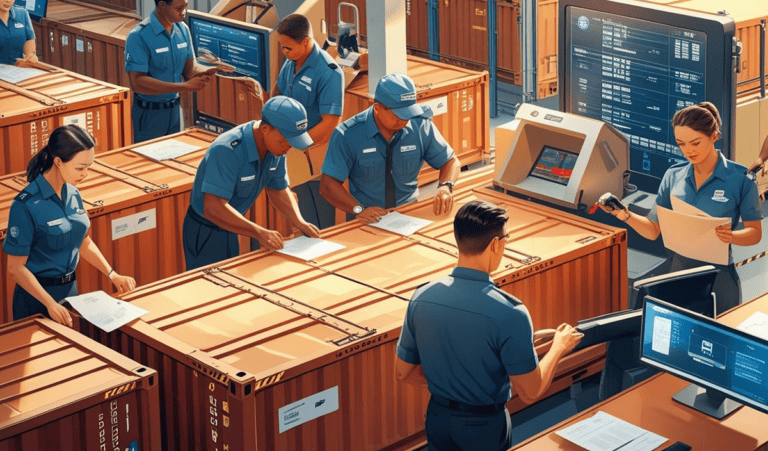
Importers often assume their freight forwarder or drayage company handles everything, but at the port, responsibility for customs clearance falls squarely on the Importer of Record (often your company) and your licensed customs broker.
Here’s what each role covers:
Importer of Record (IOR): Legally responsible for ensuring all required data is submitted to CBP (Customs and Border Protection), duties are paid, and compliance is met.
Customs Broker: A licensed professional who files entry documents, classifies cargo, calculates tariffs, and liaises with CBP on your behalf.
Drayage Provider/Warehouse: Only moves cargo after it’s released by CBP. Delays here often stem from upstream issues, not the trucker’s fault.
Key documents required:
ISF (Importer Security Filing)
Commercial Invoice
Bill of Lading
Packing List
Arrival Notice
Customs Bond (Single or Continuous)
What Actually Happens During Customs Clearance at the Tampa Port?
The customs clearance process at Port Tampa Bay follows this basic timeline:
ISF Filing (at least 24 hours before vessel departs origin)
Delayed or incorrect filings = automatic penalties (often thousands of $s).
Cargo Arrival at Port Tampa Bay
Ocean carrier files manifest with CBP; port unloads container.
Entry Filing with CBP
Your broker files the entry packet electronically.
Customs Review
May include release, exam, or hold. CBP has discretion.
Release & Delivery
Once cleared, drayage is scheduled and the container is moved to a warehouse or transloaded.
Typical timelines:
Standard clearance: 1–2 business days after arrival
Exam hold: 3–7+ days depending on type (VACIS, tailgate, CET exam)
Delivery: Next day after release, if truck and warehouse are ready
Costs to consider: (note these are estimates and real costs vary by vendor and economic conditions)
Demurrage (if container sits too long at port): $150–$300/day
Detention (if trucker waits): $75–$125/hour after grace period
Customs Exams: Vary widely; $150–$1,000+ depending on type and delays
When and Where Can Customs Clearance Derail?
Even seasoned importers hit roadblocks, especially when unfamiliar with Port Tampa Bay’s nuances. Here are the most common places things fall apart:
Late ISF Filing: Many importers think their freight forwarder did this, until CBP issues a fine.
Missing or Incomplete Documents: A single missing invoice can stall clearance for days.
Lack of Continuous Bond: If you’re not on file, it adds friction and time.
Exam Holds at CET (Centralized Exam Station): Located off-site from the port; adds time, cost, and coordination.
Disconnected Vendors: Your broker, drayage, and warehouse need to be aligned or delays multiply fast.
How to Avoid Delays and Penalties at Tampa Port
The easiest way to clear customs fast? Build a repeatable, port-specific playbook.
Here’s what to include:
📋 Customs Clearance Timeline Checklist
(From overseas origin to final drayage at Tampa port)
✅ Step 1: ISF Filing
At least 24 hours before vessel departs origin
File with U.S. Customs via your broker
✅ Step 2: Vessel Departure
Track ETA to Port Tampa Bay
Monitor via carrier tracking & port schedule
✅ Step 3: Cargo Arrival at Tampa Port
Terminal receives and offloads container
Port submits manifest to CBP
✅ Step 4: Customs Entry Filing
Broker submits required docs to CBP
Includes invoice, BOL, bond, packing list
✅ Step 5: CBP Review / Exams
Released, held, or sent to CET exam
Common exams: VACIS scan, tailgate
✅ Step 6: Release & Final Drayage
Book trucker for next-day delivery
Ensure warehouse is ready to receive
ROI of getting this right:
Save 3–5+ days of port fees and transit delays
Avoid CBP penalties from ISF or late filings
Increase warehouse throughput and reduce labor idle time
Improve customer satisfaction with reliable lead times
Real Gulf-Coast Example:
A health and wellness importer from Miami shipped a container of supplements into Port Tampa Bay. They used a broker from New Jersey unfamiliar with Gulf Coast protocol, leading to:
ISF filed late (penalty issued)
Container flagged for VACIS exam (due to errors)
Missed drayage appointment (truck had to be rebooked)
Total cost in avoidable delays: over $1,000. After switching to a local Tampa 3PL and broker team, their next shipment cleared in 36 hours with zero fees.
Port‑Specific Resources:
• Port Tampa Bay Terminal Operator (Ports America)
• U.S. Customs Tampa Port Office
• Tampa Customs Brokers (e.g., NCBFAA members): Search via NCBFAA Directory
• CBP ISF Info Page: Import Security Filing FAQ (download their latest PDF Guide)
Key Takeaways
Customs clearance Tampa port requires early coordination and the right partners
ISF filing, broker communication, and local knowledge are key
Delays often stem from document errors, disconnected vendors, or exam holds
Penalties and port fees stack up fast if you’re not proactive
Warehousing Etc can streamline your import flow from dock to destination
Need Some Advice?
Fill out the form below and one of our staff will be in touch with you shortly.
Once you’ve submitted the information above:
- One of our warehouse specialists will contact you.
- We’ll learn about the details of your business needs.
- We’ll determine the right plan for your business.
- You’ll be free to run your business. We will take care of the operations end.


