

A packaging supplier came to Warehousing Etc after landing a new contract with a retail chain in Florida.
Their product was simple, a single SKU that is a retail paper bag.
But it was used in every transaction at the store level. If they ran out, it would be felt immediately.
They reached out early, about 6 to 9 months before the first shipment arrived, while the product was still being designed and produced overseas.
They needed a warehouse that could:
- Handle loose loaded containers
- Keep product quality consistent
- Store inventory close to their customer
- Ship truckloads out on a steady schedule
And just as important, they needed it to run smoothly once it started.
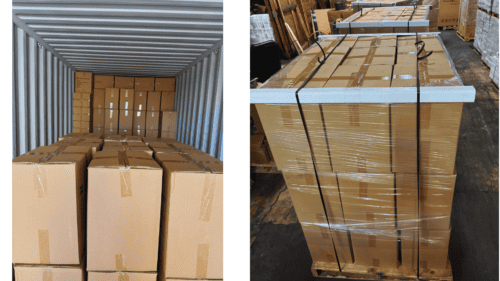
This wasn’t pallet in, pallet out warehousing.
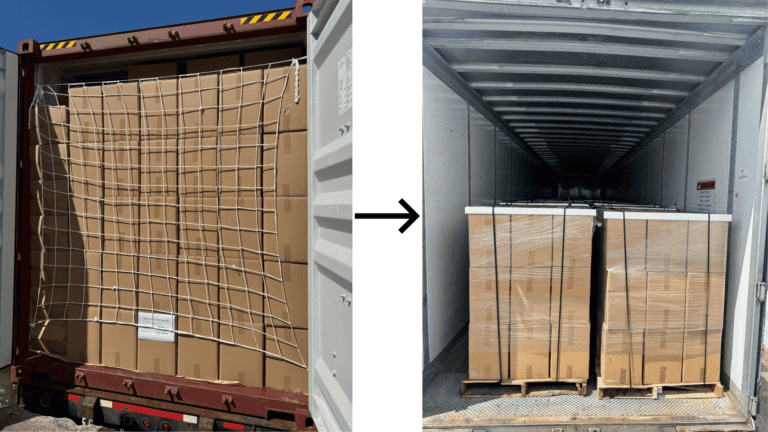
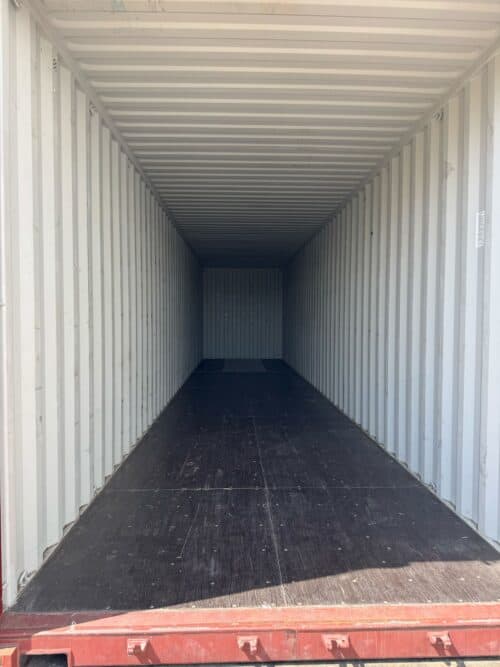
Each shipment came in as a 40HC container with ~1,255 loose-loaded cases.
No pallets. Just floor-loaded product.
That means:
- More labor
- More handling
- More chances for inconsistency and costly delays
On top of that:
- The warehouse needed to make sure the inbound product inside the cases meet specs
- The product had to be banded to the pallets once palletized
- Their customer needed steady replenishment to avoid stockouts
- Outbound shipments had to be consistent and predictable
If this broke down, it wouldn’t just cause delays. It would affect their relationship with their customer.
We kept it simple and built a process that we could repeat every time.
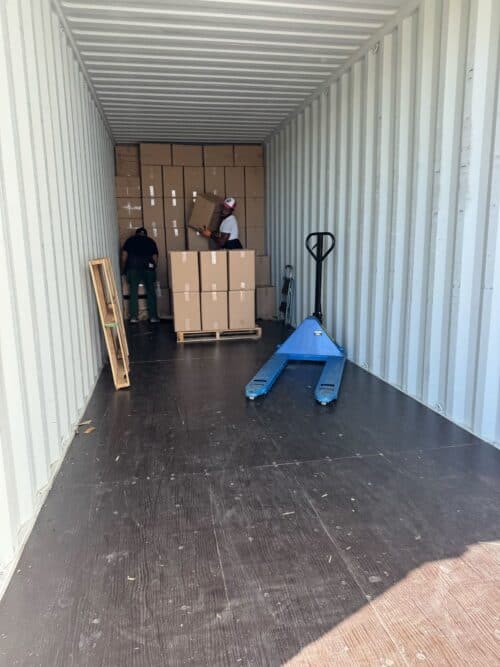
1. Unload Fast and Check Quality Early
- Each container is unloaded in 2 to 3 hours
- After unloading, we spot check cases for:
- Print quality
- Logo
- Any visible issues
We don’t wait until later to find problems, if something’s off we catch it right away.
2. Fix Quality Issues Before They Become Bigger Problems
Early on, the customer reported quality concerns.
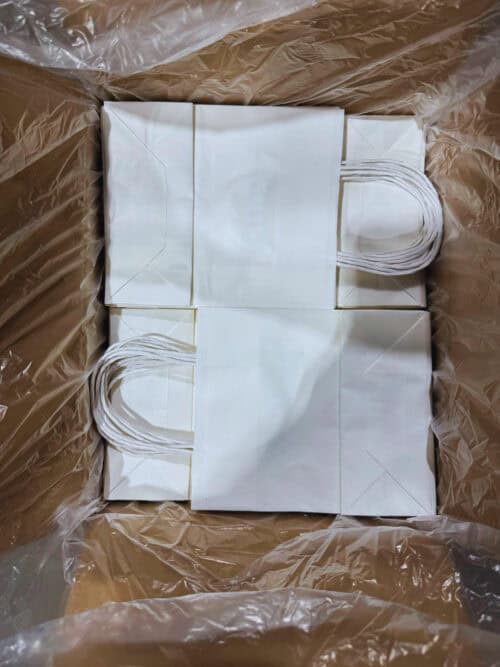
Some of the product inside the cases was getting wrinkled.
The issue wasn’t damage, it was how tightly the cases were packed from the vendor.
So we:
- Help coordinate an onsite visit with our client and their customer
- Reviewed multiple inbound shipments together
- Helped define what “acceptable quality” looked like, and what the warehouse would inspect during inbound quality checks
From there:
- The vendor adjusted to larger case packs
- Less pressure on the product inside each case
- More consistent quality moving forward
That solved the issue at the source, not just in the warehouse
3. Build Pallets the Same Way Every Time
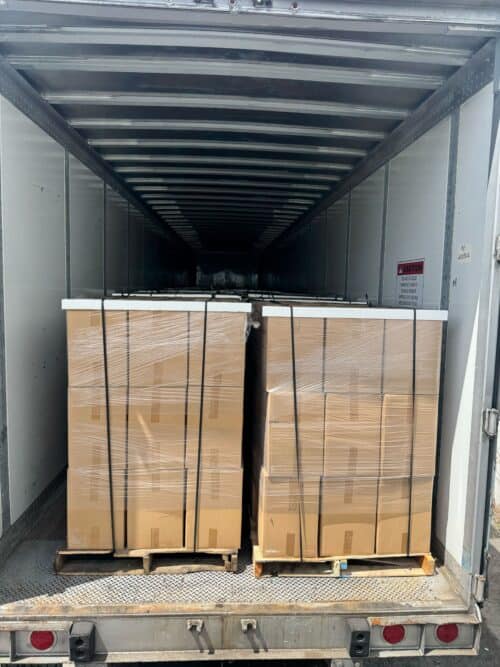
Every pallet is built the same:
- 27 cases per pallet
- 2 corner boards
- 2 straps
That gives:
- Stable loads
- Clean presentation
- Faster loading and unloading
No guesswork.
4. Keep Inventory Close to Where It’s Needed
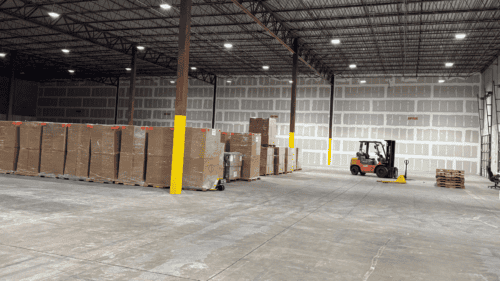
We keep 3–4 months of inventory on hand at our Tampa warehouse.
Inbound flow:
- 3–5 containers over 2–4 weeks
- Repeats every 2–4 months
Inventory is positioned near their customer’s Florida operations so it’s ready when needed.
No scrambling when inventory runs low.
5. Ship Out Quickly and Consistently
- Orders are ready within 24 hours
- Typical flow:
- ~3 full truckloads every 5–7 weeks
- 26 pallets per truck
At first, we coordinated the trucks.
Now their customer often sends their own carrier.
We adjusted to that, no issue. The process stays the same either way at the warehouse.
This is now a steady, ongoing operation.
- Containers turned in 2 to 3 hours
- Orders ready within 24 hours
- Inventory always on hand
- Truckloads moving on a consistent schedule
They’ve been able to support their customer without disruption, and keep things running smoothly as volume continues.
Here is the key takeaway.
Situations like this aren’t solved by just “having warehouse space.”
They require a team that can handle loose-loaded containers, catch quality issues early, and keep inventory moving without delays.
In this case, success came down to a few things done right:
- Fast, consistent container unloads
- Early quality checks to prevent downstream issues
- Simple, repeatable pallet builds
- Inventory positioned close to the end customer
- Reliable outbound execution on a steady schedule
Nothing overly complicated, but everything executed the right way every time.
If you’re supplying a retail chain or distribution center, the risk isn’t just storage. It’s making sure your product is available, looks right, and gets where it needs to go without disruption.
That’s the type of work Warehousing Etc focuses on every day.
If you need help supporting a customer, managing inbound containers, or setting up a distribution flow in Tampa or Central Florida, reach out.
We’ll help you get it set up and keep it running.